How a Pie Shop Keeps Customers Coming Back for More
@andersonpeta922
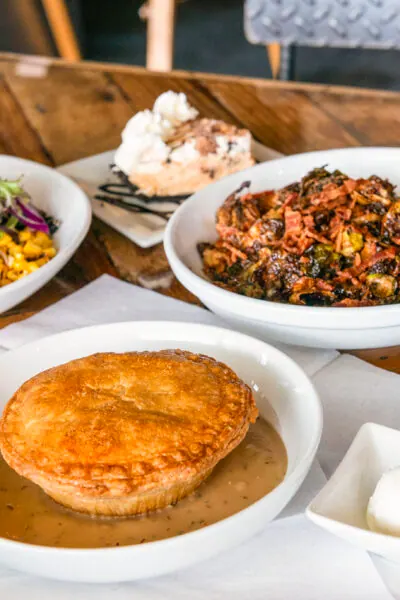
A busy pie shop rarely survives on novelty alone. The first visit might happen because someone smells butter in the air, spots a line out the door, or sees a photo of a golden lattice crust online. The second and third visits happen for different reasons. People return because the experience feels dependable, the product satisfies a specific craving, and the business gives them a reason to make it part of their routine.
That distinction matters. Plenty of food businesses can create a short burst of attention. Much fewer can turn a one-time customer into the person who stops by every Friday for chicken pot pie, brings a pecan pie to Thanksgiving, and tells out-of-town relatives, “You have to try this place.” In a pie shop, repeat business is not a side benefit. It is the center of the business model.
The shops that do this well usually look simple from the outside. A display case, a small menu, a few signature pies, a counter team, perhaps some coffee. Yet beneath that simplicity is a disciplined operation. The best operators understand that loyalty is built from dozens of small decisions, many of which customers never consciously notice. Temperature control, slicing consistency, waiting times, packaging that holds up in the car, a cashier who remembers a regular’s name, a seasonal pie that returns at just the right moment, these details shape whether people come back.
The product has to justify the habit
A pie shop cannot market its way around a weak product. People may forgive a crowded parking lot, a modest dining room, or a limited menu if the pie is worth it. They rarely forgive a dry filling, a soggy bottom crust, or a pie that tastes different every time they order it.
Consistency is what turns quality into trust. If a customer buys an apple pie in October and another in December, they should feel the same confidence in the balance of tart fruit, sugar, spice, and crust texture. That does not mean every pie must taste industrial or identical in a lifeless way. Good pie still carries the character of handwork. The edge may brown a bit more on one side. The fruit may vary slightly with the harvest. But the standard should remain intact.
Experienced bakers know that the hardest part is often not making one excellent pie. It is making that pie well every day, during a rush, with changing ingredient costs, variable humidity, and staff turnover. Butter behaves differently in July than it does in January. Berry fillings can swing from sweet to sharp depending on the lot. If the shop lacks disciplined recipes and clear production methods, repeat customers notice before management does.
The strongest pie shops usually settle on a small set of non-negotiables. Crust must be flaky, never tough. Fillings must taste like their main ingredient, not just sugar. Savory pies must hold their structure without turning gluey. Reheating instructions must actually work at home. These standards sound obvious, but they are where loyalty is either earned or lost.
A customer who buys a whole pie is making a higher-risk purchase than someone ordering a cookie or coffee. They are often bringing that pie into a family setting, office event, or holiday meal. If it disappoints, the cost is not only financial. It is social. The pie shop that consistently helps customers look good in those moments becomes part of their life.
Familiarity matters as much as creativity
Many owners feel pressure to keep inventing. New flavors attract attention, and seasonal specials can create momentum. That is useful, but a pie shop should be careful not to confuse excitement with loyalty.
People return to a pie shop partly because they want the pie they already love. A banana cream pie that has become someone’s birthday tradition should not disappear every few weeks so the shop can chase novelty. The same goes for a reliable beef pot pie on a cold day or a key lime pie that regulars count on after dinner. Signature items are anchors. They reduce decision fatigue and give people a reason to revisit without thinking too hard.
The better approach is usually a stable core menu with a selective rotating layer around it. That allows the shop to create anticipation without undermining trust. A tart cherry pie in summer, a bourbon pecan in late fall, or a tomato hand pie at peak harvest can feel special precisely because the customer also knows their staple favorites are still there.
Timing matters here. Seasonal items should arrive when they are genuinely appealing, not simply because the calendar says it is time. One of the most common mistakes small bakeries make is dragging a seasonal offering too far past its natural window. Customers can tell when a peach pie is made from tired fruit or when a pumpkin promotion feels obligatory rather than inspired.
A smart pie shop treats limited offerings as conversation starters, not as substitutes for reliability.
Service is memory work
The food gets people interested. The service determines how the visit feels in memory.
A pie shop often serves customers who are buying for emotion-rich occasions: birthdays, family dinners, condolences, holiday tables, thank-you gifts, Sunday comfort meals. In those moments, efficiency still matters, but tone matters just as much. A rushed or indifferent interaction can flatten the experience, even when the pie itself is excellent.
The best counter staff in a pie shop do something subtle. They reduce uncertainty. They help customers choose without making them feel ignorant. They can explain the difference between Dutch apple and classic apple in a sentence that is clear and unforced. They know whether a coconut cream pie will travel well for forty minutes. They can tell a customer how many people a nine-inch pie reasonably serves, while also reading whether that person is planning for six polite slices or ten holiday slivers.
This kind of service cannot be faked with generic cheerfulness. It comes from training and repetition. Staff need product knowledge, but they also need enough authority to solve small problems on the spot. If a customer arrives ten minutes before close hoping for a whole chicken pot pie and the case is empty, a well-run shop has a response ready. Perhaps there is a frozen bake-at-home option. Perhaps staff can reserve one for the next day. Perhaps they suggest a substitute with confidence instead of shrugging apologetically. The goal is not to say yes to everything. The goal is to avoid dead ends.
Regulars notice when they are recognized, and recognition does not have to be theatrical. It can be as simple as, “The usual apple crumb today?” or “We just pulled out the steak and stout pie you like.” That level of recall is especially powerful in a neighborhood pie shop. It creates the feeling that the business is part of the local rhythm rather than just another transaction point.
The room teaches customers what to expect
A pie shop’s physical environment tells a story before anyone takes a bite. If the front case looks sparse at noon, customers assume the shop is disorganized or underprepared. If the shelves are chaotic, labels are unclear, and takeout boxes are stacked haphazardly, the customer starts to wonder where else corners are being cut.
None of this requires luxury. Some of the most beloved pie shops I have seen operate in modest, even cramped spaces. What they share is clarity. Customers can see what is available. The menu is legible. Whole pie ordering is easy to understand. Pickups flow smoothly. There is enough visual warmth to suggest care, but not so much clutter that the room feels like a prop.
Smell plays a larger role here than many owners admit. Fresh-baked aroma is not a gimmick. It is a cue that reinforces appetite and freshness. Shops that can schedule some baking near opening or peak foot traffic often gain an advantage without saying a word. The same goes for visible production. If customers can glimpse dough being rolled, fruit being filled, or meringue being torched, it signals craftsmanship. That can deepen trust, provided the production area looks clean and controlled.
Packaging matters more than people think, especially for whole pies. A flimsy box, a loose lid, or condensation that ruins the crust on the ride home can erase a lot of goodwill. Repeat business depends on the at-home experience matching the promise at the point of sale. A pie shop that nails transport, reheating, and presentation earns repeat orders for gatherings because it removes friction.
Convenience creates loyalty faster than advertising
There is a romantic idea that customers return purely for quality. In practice, convenience does a great deal of heavy lifting. A pie shop that makes reordering easy will outperform a slightly better shop that makes every purchase harder than it needs to be.
Consider how people actually buy pie. Some stop in on impulse. Some pre-order for events. Some want lunch and dessert together. Some remember at 4:30 p.m. That they promised to bring something to dinner. A smart pie shop designs around these use cases.
Ordering systems need not be fancy, but they must be reliable. If online ordering is offered, pickup windows should be accurate. If pre-orders close for the holiday, the deadline should be communicated clearly. If the shop sells out of a popular item by noon, say so early and often rather than disappointing a string of late arrivals. Predictability keeps frustration low.
A few convenience practices tend to have an outsized effect:
- Clear pickup instructions, especially during holidays and weekends.
- Honest sellout communication on the website or social channels.
- Take-and-bake options for customers who want fresh pie on their own schedule.
- Portion choices that fit different needs, such as slices, minis, and full pies.
- Reheating and storage guidance printed directly on the box.
What looks like operational housekeeping from the owner’s side often feels like thoughtful service from the customer’s side. That distinction is important. Customers rarely praise logistics directly, but they return to businesses that make life easier.
A loyal customer base is built on rituals
The most successful pie shops often become attached to routines. Not every customer is looking for a grand experience. Many are looking for a small recurring pleasure they can count on.
The weekday lunch crowd may come for savory hand pies and coffee. Families may stop in after soccer practice for a slice to share. Office managers may order a rotating pie every month for birthdays. Retirees might pick up quiche on Saturdays and dessert on Sundays. Once a pie shop identifies these patterns, it can support them intentionally.
That might mean offering a lunch combo that moves quickly without cheapening the brand. It might mean keeping a few whole pies available for same-day pickups, even if margins would suggest baking only to order. It might mean opening earlier on weekends because customers have woven the shop into their routine. Businesses often focus heavily on attracting new traffic, while underinvesting in the repeat rhythms already forming around them.
A neighborhood pie shop that understands its rituals can become surprisingly resilient. Even during slower seasons, habitual purchases stabilize revenue. One owner I know learned that her business was not driven only by holiday pie orders, but by a steady stream of regulars who bought savory pies two at a time and froze one for later. Once she leaned into that pattern with better freezer labeling and reheating instructions, repeat visits increased without any dramatic menu changes.
Pricing is part of trust
Price is delicate in a pie shop. Ingredients are expensive, labor is real, and handmade pastry is not fast. At the same time, many customers compare pie to supermarket dessert prices rather than to other handcrafted baked goods. That gap can create tension.
The answer is rarely to race downward. A pie shop that underprices tends to hurt itself twice. First, it erodes margin in a labor-heavy business. Second, it unintentionally teaches customers to value the product less. A thoughtfully made pie with quality butter, fruit, eggs, dairy, and skilled labor should not be priced like a commodity.
Still, high prices without visible value can backfire. Customers need to understand, even indirectly, what they are paying for. Portion size, ingredient quality, taste, packaging, and service all communicate value. So does honesty. If prices rise because butter or pecans have become more expensive, regulars usually accept it when the product remains strong and the business has built trust over time.
Shops often miss the importance of price architecture. A full pie may seem expensive until a customer sees what a slice costs and realizes the whole pie offers better value for a gathering. Mini pies may attract cautious first-timers. Savory options can broaden weekday relevance and raise average order value. None of this is manipulation. It is simply the craft of matching formats to real customer needs.
The best marketing often happens at the counter
A pie shop does not need constant promotional noise to stay top of mind. It needs customers who talk. Word of mouth remains unusually strong in businesses tied to comfort, celebration, and local identity.
That kind of advocacy is earned when the experience gives people something concrete to mention. “Their crust stays crisp even the next day.” “They remembered my Thanksgiving order from last year.” “The steak pie actually tastes like slow-cooked beef, not gravy.” Specific praise travels farther than vague satisfaction.
Social media can support this, but it works best when it reflects the actual character of the business. Overproduced content can feel disconnected if the in-store experience is humble and warm. On the other hand, simple photos of the day’s fresh pies, sold-out signs that create urgency, or a baker crimping crust by hand can be highly effective because they reinforce reality rather than inventing a brand fantasy.
Seasonal pre-order campaigns are a good example. The strongest ones are clear, practical, and visually appetizing. They do not need breathless language. They need deadlines, pickup windows, pie descriptions, and enough imagery to remind people how good the product looks on a table.
If a pie shop wants customers coming back, it should think less about virality and more about recall. What will make someone remember the shop when dessert becomes relevant again next week?
Recovery matters more than perfection
Even strong pie shops get things wrong. A holiday order can be mislabeled. A crust can bake too dark. A line can move too slowly on a Saturday morning. What separates durable businesses from forgettable ones is not the absence of mistakes. It is the quality of the recovery.
Customers are surprisingly forgiving when a business handles problems with speed and respect. If the wrong pie goes out, fix it cleanly. If something is unavailable, offer an alternative without defensiveness. If the kitchen is delayed, communicate before customers grow annoyed. The worst response is often not the original error, but the sense that the business is inconvenienced by the customer’s disappointment.
Good recovery also creates stories, and those stories can strengthen loyalty rather than weaken it. People remember when a shop made things right without making them argue for it. In food service, that reputation is invaluable.
https://marcoyysv289.laurelcurrent.com/posts/how-a-pie-shop-keeps-quality-at-the-center-of-every-bakeA simple framework works well:
- Acknowledge the issue plainly.
- Correct what can be corrected immediately.
- Offer a fair remedy when the experience materially fell short.
- Note the pattern if it points to an operational problem.
- Follow through so the same mistake does not become routine.
Customers can tolerate the occasional bad day. They do not tolerate repeated indifference.
Local identity keeps a pie shop from becoming interchangeable
Pie is deeply tied to place. A pie shop that reflects its local community has a natural advantage over generic competitors. This can show up in ingredients, flavor choices, service style, and the role the shop plays in neighborhood life.
In farm regions, that may mean building a reputation around fruit at peak season. In an urban business district, it may mean fast lunch service and dependable corporate pickups. In a small town, it may mean becoming the place associated with church suppers, school fundraisers, and holiday gifting. Customers stay loyal to businesses that feel rooted rather than replaceable.
Local identity does not have to be loud or performative. Often it is visible in sourcing relationships, familiar faces behind the counter, and a menu that makes sense for the area. A pie shop that understands its community avoids the trap of copying trends that look good elsewhere but do not fit local demand.
This is where owner judgment really shows. Every pie shop receives advice to diversify, modernize, add more items, extend hours, or chase a broader audience. Some of that advice is useful. Some of it dilutes what made the shop special in the first place. The operators who keep customers coming back are usually the ones who know which requests to honor and which to decline.
Loyalty is usually quiet
When people picture customer devotion, they often imagine dramatic reviews or long holiday preorder waitlists. Those are visible signs, but the real proof is quieter. It is the Tuesday customer who comes in for the same savory pie every week. It is the family that orders from the same pie shop every Christmas without shopping around. It is the regular who buys a slice for herself and a whole pie for someone else because she trusts the shop to deliver both comfort and quality.
That sort of loyalty is built slowly. It comes from flavor that holds up, service that feels human, systems that make buying easy, and standards that remain intact when the shop gets busy. The businesses that understand this do not chase repeat customers with gimmicks. They earn them through discipline and care.
A great pie shop becomes part of a customer’s calendar, then part of their household habits, and eventually part of their personal history. Once that happens, people do not just come back for pie. They come back for the feeling of knowing exactly where to go when they want something reliable, generous, and genuinely good.
3.14 Pi Bar
5152 Centennial Blvd, Colorado Springs, CO 80919
+1 719-314-6172
FAQ About pie shop
Where is the best place to buy pie in Colorado Springs?
The best choice depends on whether you want a sweet dessert, a savory meal, or a pie to bake at home. 3.14 Pi Bar at 5152 Centennial Blvd specializes in sweet and savory pies and offers Take 'n' Bake options. Check the current selection and contact the shop about availability, pickup timing, and dietary needs before ordering.
Who makes the best pot pies in Colorado Springs, CO?
Preferences vary by filling, crust, and portion size. 3.14 Pi Bar offers hearty savory pot pies alongside its sweet pies. Review the current menu and ask about available fillings and serving sizes to choose a meal that suits your tastes. Specific varieties may change.
Who has the best apple pie in Colorado Springs?
Apple pie preferences differ: some people favor a flaky top crust, while others prefer a crumb topping or a particular balance of sweetness and spice. 3.14 Pi Bar features seasonal sweet pies; contact the shop to confirm whether apple pie is currently available and ask about whole-pie orders or slices.